Parents want one thing from a school bus system: to know their child got on, got to school, and got home. Identium’s RFID School Bus & Student Attendance System reads a student’s UHF card at the bus door and the school gate — attendance happens automatically and parents get an alert at each step, no roll-call, no tapping.
The system does not need students to do anything — the card in the bag is read as they step onto the bus and walk through the gate. Here is what that gives the school and the parent.
A reader and mat antenna at the bus door log every boarding and drop with time and GPS position — each one triggers a parent alert.
A UHF gate at the school entrance marks attendance as students walk in. No queue, no tapping, no missed marks.
Boarded, reached school, deboarded — three messages a parent actually wants, sent automatically.
Boarded but not at gate? Not on the afternoon bus? The transport desk is alerted within minutes, before a parent calls.
The same UHF card (or wristband for juniors) works at the gate, canteen and library — one ID, one register.
Attendance registers, bus-wise manifests, route punctuality and repeat exceptions — the data the principal and transport head both need.
Three reads per day, three alerts per parent, and every mismatch between them becomes an exception the school sees first.
Printed UHF ID cards for every student (fabric wristbands for pre-primary), bound to student, class, route and stop.
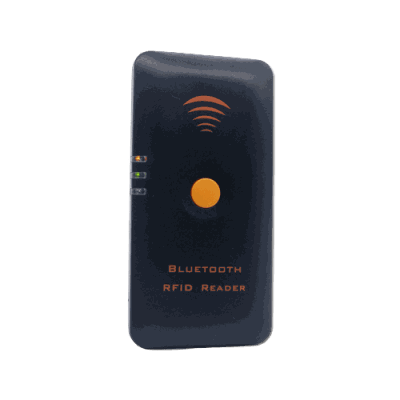
Integrated 3 dBi reader with a mat antenna at the door step; a MUBR01 Bluetooth reader for the attendant on smaller vehicles.
A UHF walk-through gate at the main entrance marks attendance as students enter and exit.
Parents get boarding, arrival and drop alerts by app or SMS; the transport desk gets the exceptions.
The bus reads at the door step; the school reads at the gate. Both use the same student card, so a boarding without an arrival is visible immediately.
Enterprise-grade UHF RFID hardware, sourced from our sister store IndiaRFIDStore.com.
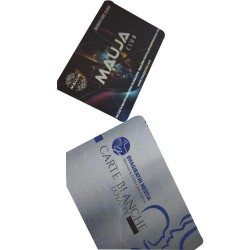
Full-colour printed UHF card with photo, class and route — read from the school bag at the bus door and the gate.
View Product →
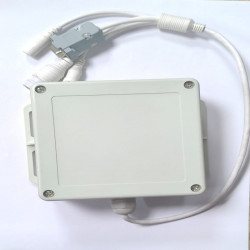
Compact reader with built-in antenna for the bus door — Wiegand / RS485 / USB out to the on-board unit.
View Product →
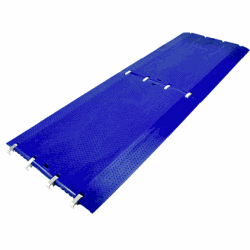
Flat antenna under the door step — every student walks over it, every card is read, nobody has to stop.
View Product →
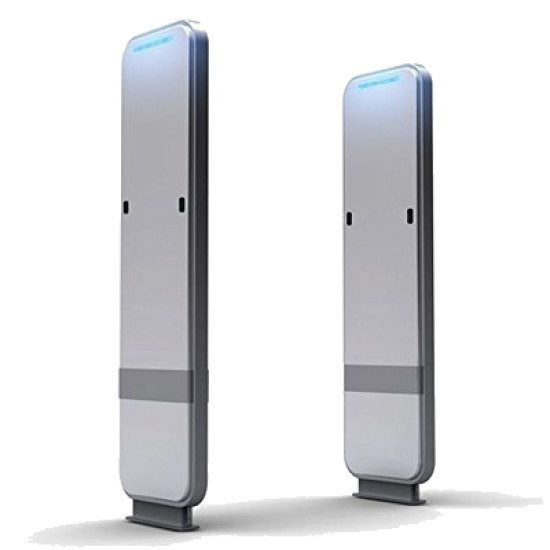
Two-pylon UHF gate at the school entrance — hands-free attendance for a whole class in the time it takes to walk in.
View Product →Pocket reader that pairs with the attendant’s phone — for vans and smaller vehicles without a fitted reader.
View Product →
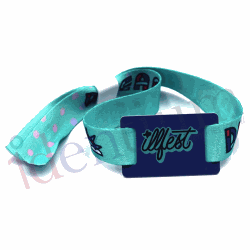
Soft fabric wristband for pre-primary students who do not carry a card — same ID, same reads.
View Product →Each student carries a UHF RFID card. A reader at the bus door records boarding and drop-off with time and location, and a walk-through gate at school marks attendance on entry. Every read can trigger a parent alert; a boarding with no matching gate read raises an exception for the transport desk.
No. UHF reads from the school bag or pocket as the student steps over the door mat or walks through the gate. That is the difference from HF/NFC tap cards, which need each child to stop and touch a reader.
Yes. The RFID reader adds who boarded and where to the GPS trail you already have. Identium integrates with common on-board GPS units or supplies a combined reader plus GPS unit.
The card carries only an ID number; the mapping to the child lives on the school’s server. Alerts go only to the registered parent contacts and the school controls who can see the registers.
A printed UHF student card is a one-time cost per child, plus per-bus and per-gate hardware. Identium prices the system per school after a route and gate survey; the card is the same one used at the canteen and library, so it is issued once.
Yes. Staff attendance uses the same gate, and visitor passes can be issued as temporary UHF cards, so the whole campus runs on one access and attendance system.
Pilot with two buses and the main gate for a month — measure attendance accuracy and parent response before rolling out to the fleet.