Returnable crates, totes, kegs and cylinders leak out of Indian networks continuously, and the loss is written off as consumables because nobody can attribute it to a customer or a route. Identium’s RFID Returnable Crate & Cylinder Tracking System tags every unit, reads it at each hand-off, and keeps a per-customer ledger of what went out and what came back.
The point is not counting crates — it is knowing which customer still has 5 of yours. Every hand-off is a read; the ledger falls out of the reads.
UHF gates on the dock doors capture every tagged crate or cylinder leaving and returning — hands-free, in bulk, on the forklift.
An IF9A 4G integrated reader gives distributor depots a read point without a network drop — events sync straight to the cloud.
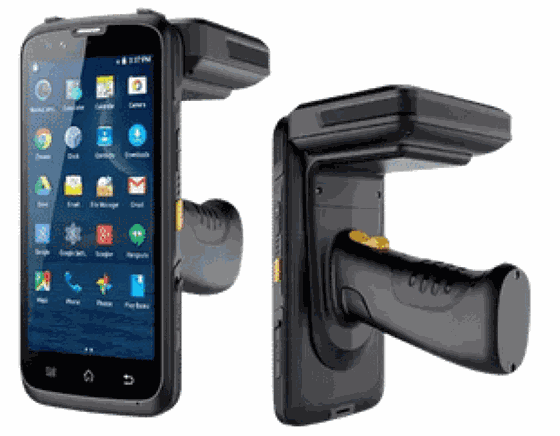
A CX1500N or a MUBR01 paired to a phone reads returns at the customer gate — the return is booked against that customer at that moment.
Issued minus forwarded minus returned, per customer, per route, per note. Chase the specific 5, with proof.
UHF strip tags for plastic crates; cable-tie or ceramic on-metal tags for cylinders and kegs that get dropped, stacked and hosed down.
How many trips has this crate done? Which cylinders are due for testing? The tag ID makes each unit an asset with a history.
Every hand-off is a read point. Because reads are booked against a note and a customer, the loss ledger is arithmetic, not a year-end guess.
Strip tags on crates and totes; on-metal ceramic or cable-tie tags on cylinders and kegs. Every unit gets a permanent ID.
UHF gates on the busy dock doors; a fixed reader on the filling or washing line if you want per-unit cycle counts.
4G integrated readers at depots; handhelds and MUBR01 at customer sites for returns.
Outstanding by customer and route, ageing of un-returned units, cylinders due for test. Recover the specific units.
A crate and a gas cylinder live very different lives. Plastic takes a strip tag; steel needs an on-metal or cable-tie tag that uses the surface rather than fights it.
Enterprise-grade UHF RFID hardware, sourced from our sister store IndiaRFIDStore.com.
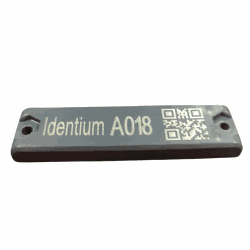
Slim strip tag that sits in the crate rib — survives washing, stacking and forklift life on plastic crates and totes.
View Product →
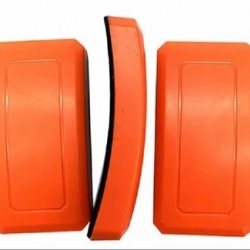
Rugged cable-tie tag around the cylinder neck or handle — reads on steel, survives yard handling.
View Product →
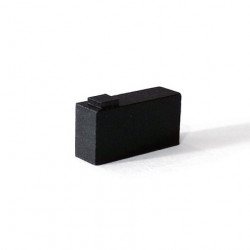
Ceramic on-metal tag for kegs and cylinders — the metal becomes part of the antenna instead of killing the read.
View Product →
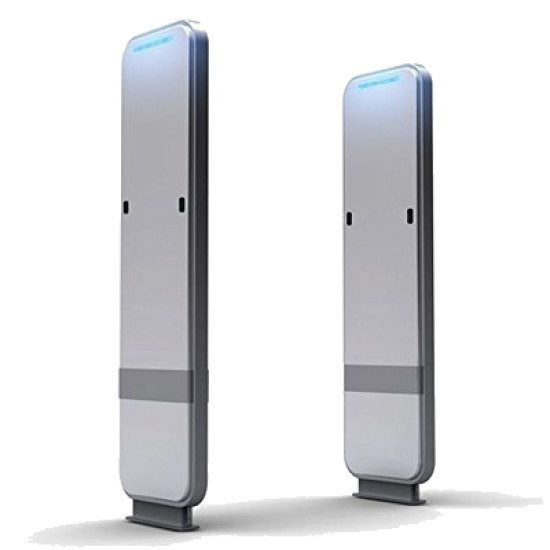
Dock-door portal for the plant and DC — every tagged unit crossing it is captured hands-free.
View Product →
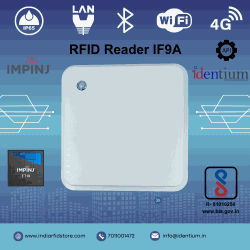
Integrated reader with a 4G modem for depots without a network — reads sync straight to the cloud.
View Product →Android UHF handheld for customer-site returns and depot audits — offline queue, syncs when back in coverage.
View Product →Crates, totes, kegs, cylinders, roll cages and pallets that your business owns and expects back from customers or distributors. They are assets, but most companies account for them as consumables because they cannot attribute the losses. RFID makes the attribution possible.
Yes, with the right tag. Standard labels fail on metal, but on-metal ceramic tags and cable-tie tags are designed for it — the metal surface becomes part of the antenna. Identium specifies the tag per container type in the pilot.
With a 4G integrated reader such as the IF9A. It reads at the depot dock and pushes events over mobile data to the cloud, so remote depots become read points without any local IT.
Every read is booked against a note and a customer or route. Issued minus forwarded minus returned equals unaccounted, per customer. You chase the specific units and have the read history as proof.
It complements it. Pallets have their own flow and their own page — the RFID Pallet Tracking System — but crates, cylinders and kegs behave differently (more hand-offs, smaller units, more customer sites), so the read points and tags differ.
One product line, one route, one to two customers, tag 300–500 units, run for one full return cycle. Compare the ledger to what you wrote off last quarter.
Tag one route’s crates or cylinders, read at plant, depot and two customer sites for one cycle, and see the ledger.