Reusable pallets leak value every trip — lost at client sites, stranded at hubs, quietly replaced every quarter. Identium’s RFID Pallet Tracking System tags every pallet, sweeps them in bulk at dispatch and receive, and turns each movement into an immutable note — so reconciliation shows exactly what left, what arrived, and what is still on the road.
RFID is a choke-point technology — and pallet flows are all choke points. Dispatch bay, dock door, client gate: capture identity at each one and the network takes care of itself. Here is what the system does at those points.
One walk-around sweep with the CX1500N captures a full truckload — 100+ tagged pallets in seconds, no line of sight, no per-pallet barcode hunting.
Each dispatch and receive writes an immutable GRN with operator, location, timestamp and every pallet on it. Stock never moves without a note.
Receives are matched to the dispatch note at scan time — so dispatched minus received is a hard number per note, not a time-window guess.
No coverage at the yard? Movements queue on the device with a unique transaction ID and replay later — a retry can never double-count stock.
A sweep in a shared yard reads neighbours’ tags too. Unregistered tags stay visible but out of the note by default — nothing enters or vanishes silently.
Scans stream to the web dashboard as the operator sweeps. On-hand by site, expected inbound, and every open note — visible before the truck leaves the gate.
A pallet is Available at a location. Dispatch makes it In-Transit — recording where it is going and which note sent it. Receive books it into the destination and links back to the dispatch note it arrived against. The link is captured at scan time, which is why reconciliation is arithmetic, not archaeology.
UMT (Impinj M830) tags on wood and plastic pallets; Encore on-metal tags on steel pallets and cages. Each tag is registered to a pallet code.
CX1500N handhelds at busy warehouses, gate readers on high-volume dock doors, MUBR01 + a phone at light-volume client sites.
Dispatch and receive sweeps write GRNs — online or offline. Live reads stream to the control tower as they happen.
Outstanding pallets per note, per site, per client. Chase the specific 1, not a mystery 4% at year-end.
Tag physics decides read reliability more than any software setting. Wood and plastic take a standard pallet tag; steel needs an on-metal tag that uses the surface as part of its antenna. Reads come from a handheld sweep, a dock-door gate, or a Bluetooth reader paired to any Android phone.
Enterprise-grade UHF RFID hardware, sourced from our sister store IndiaRFIDStore.com.
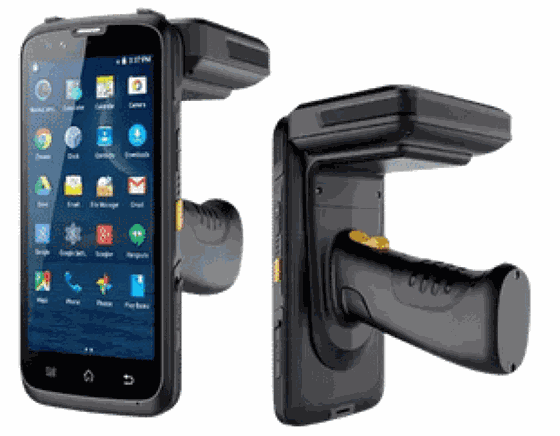
Android UHF handheld with pistol grip — bulk dispatch and receive sweeps, offline queue, and the Identium pallet app pre-loaded.
View Product →
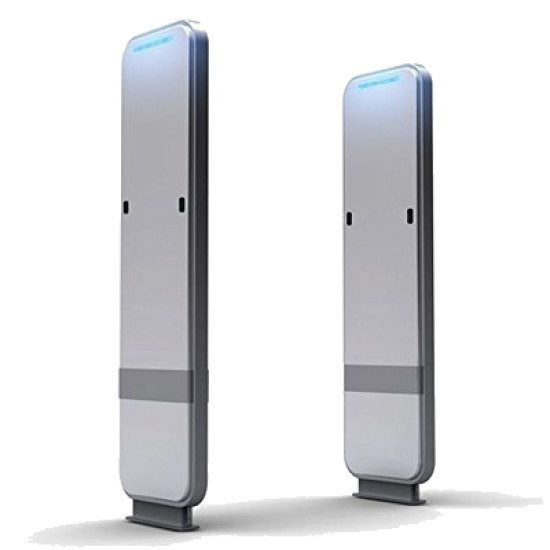
Dock-door portal that captures every tagged pallet crossing it — hands-free dispatch and receive on your busiest lanes.
View Product →
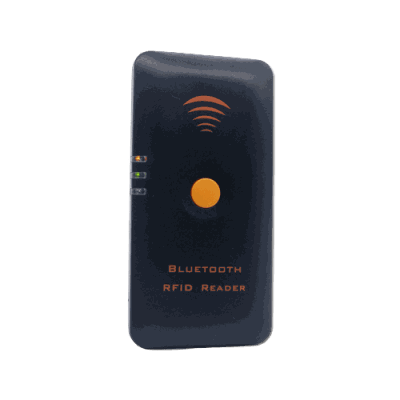
Pocket UHF reader that pairs with any Android phone — the light-footprint option for client sites that receive a few loads a week.
View Product →
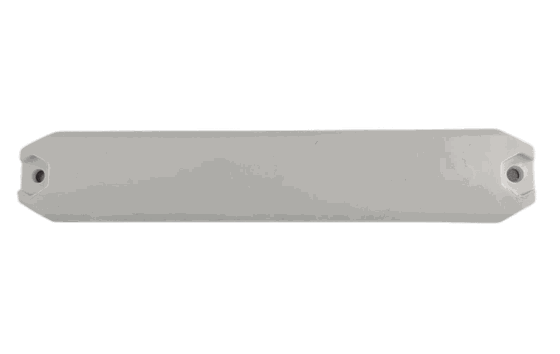
Rugged UHF tag on the Impinj M830 chip for wood and plastic pallets — screwed or riveted to the stringer, built for forklift life.
View Product →
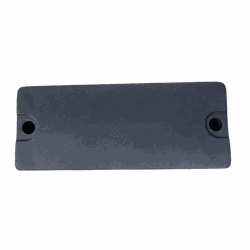
On-metal UHF tag for steel pallets, cages and roll containers — the metal surface becomes part of the antenna instead of killing the read.
View Product →Each pallet carries a UHF RFID tag with a unique ID. At dispatch, an operator sweeps the load with a handheld reader or drives it through a gate — every movement writes an immutable dispatch or receive note (GRN). Reconciliation then compares the two sides per note: dispatched minus received equals what is still on the road.
Wooden and plastic pallets take the UMT pallet tag built on the Impinj M830 chip — screwed or riveted to the stringer. Steel pallets, cages and roll containers need an on-metal tag such as the Encore, which uses the metal surface as part of its antenna instead of being detuned by it.
Yes. The handheld stores every movement in an offline outbox with a unique transaction ID and replays it when connectivity returns. The server recognises replayed transactions and returns the original note instead of creating a duplicate, so a retry can never double-count stock.
A UHF sweep reads every tag in range without line of sight — a full truckload of 100+ tagged pallets is typically captured in a single walk-around sweep of a few seconds, compared with scanning barcodes one pallet at a time.
A UHF sweep in a busy yard reads whatever is in range, including a neighbour's pallets. The system resolves every tag against the pallet register and, by default, only registered pallets enter the note — unresolved tags stay visible but marked as not being saved, so nothing is counted silently.
A typical site runs CX1500N handheld readers for bulk dispatch and receive sweeps, UHF gate readers on high-volume dock doors for hands-free capture, and the MUBR01 Bluetooth reader paired to a phone at light-volume client sites. Pallets carry UMT (M830) tags, or Encore on-metal tags for steel pallets.
Pilot with one lane and one client route — tag a batch, run dispatch and receive for a month, and count what comes back.